

Fans treat Nintendo differently
Nintendo finally gets the history book it deserves

Why do gamers treat Nintendo differently? A new book on the history of the company helped me find the answer.
Where Nintendo’s contemporaries, Sony and Xbox, are viewed as cynical corporate machines, the House of Mario is typically described as a benevolent force. It floats above the popular culture, occasionally raining fresh entries of beloved franchises like Zelda and Animal Crossing onto the fields of parched gamers.
Sure, fans and press will grumble over the quality of the latest Pokémon games or the ceaseless legal efforts to shut down ROM websites and punish their operators. But rarely, if ever, do Nintendo’s actions inspire expansive boycotts, nor do we see Shuntaro Furukawa, the sixth and current President of Nintendo, in headlines on gaming news sites that will gleefully slide CEOs like Strauss Zelnick, Tim Sweeney, and Phil Spencer onto a skewer to roast over open flame.
This rarified status wasn’t given, but earned.
Nintendo’s leaders have, for decades, been careful to guarantee its reputation as a company by prioritizing the reputation of its art. Which is to say, for as long as Nintendo’s been in the business of making games, its various leaders have shared in the opinion that the best way to protect their station at the top of video game culture is to
A.) Cancel weak games as early as possible.
B.) Ship good games, even when it takes extra time
C.) Protect the value of what does reach the market by rarely lowering its price, suggesting, through the market itself, that Nintendo games aren’t like other games, nor is Nintendo like other game makers.
The company has been so successful at constructing and maintaining this merry monolithic image, and so secretive about its internal workings, that most people forget that it is a company at all. Of course, it is a company, one run by brilliant but fallible artists and business people. It has a ruddy and tangled history. Its employees, even the most famous and idolized, make mistakes.
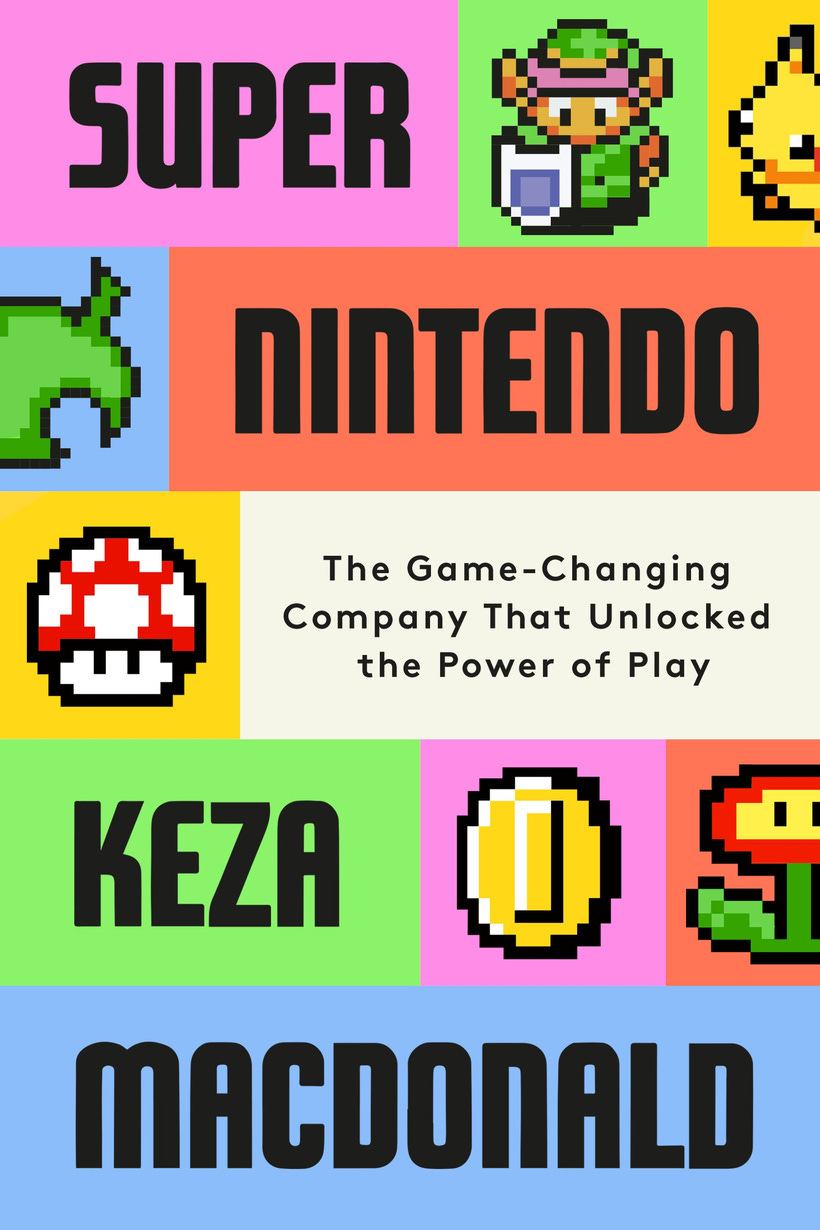
Super Nintendo: The Game-Changing Company That Unlocked the Power of Play by Keza MacDonald is a new history of Nintendo (available on February 3, though you can pre-order now) that does the deceptively bold act of showing how a mix of unusual corporate moves, intergenerational friendships, and even some luck laid the foundation for the Nintendo we know today.
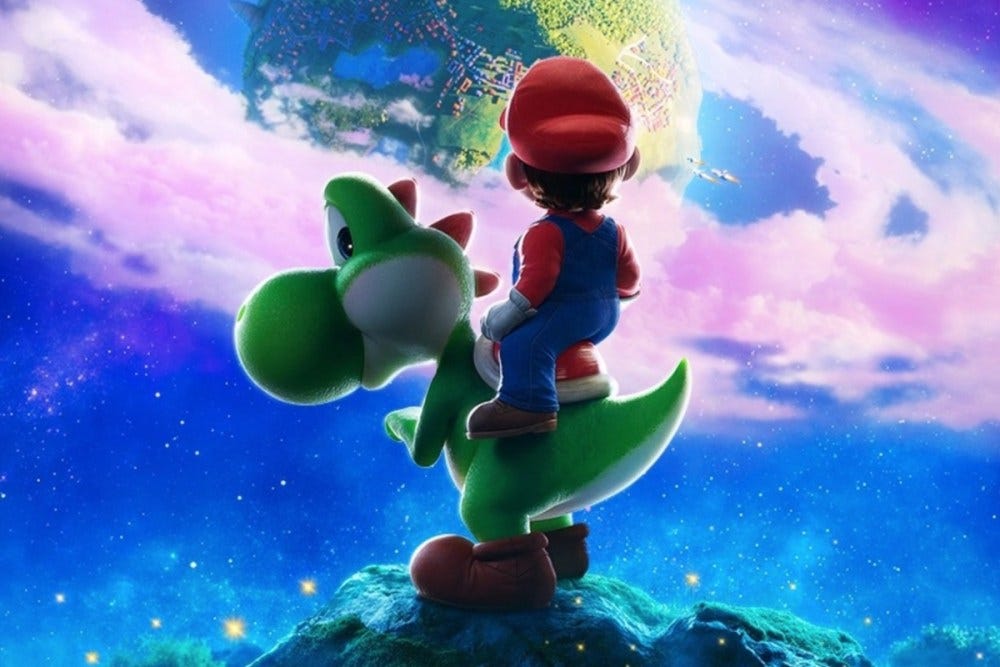
We don’t have Nintendo without a young CEO who fired employees who questioned his ambitions, including family rivals. Nor do we have Nintendo without illicit card games, love hotels, a taxi company, and a factory line repairperson who, in a fit of boredom, imagines a toy that would change the company’s focus and its fortunes.
This history matters — not to tear down Nintendo, but to help us learn how it was made to begin with. How can other game makers construct themselves in its style? And how might future caretakers not merely maintain the structure, but adapt the company to a rapidly changing culture, one that has more in common with the uncertain video game experimentation of the 1990s, than the relative stability of the early 21st century.
Keza MacDonald joins Post Games to share that history and the lessons that can be learned from it.

This week on Post Games:
Act 1: How Nintendo Became a Game Company
Act 2: Nintendo’s Present
Patreon Bonus: The Future of Nintendo After Its Icons Depart
Act 3: News of the Week
Guest: Keza MacDonald, journalist and author of Super Nintendo: The Game-Changing Company That Unlocked the Power of Play
Closing Song: “Oubliette: from Ratcheteer DX (Matthew Grim)

On the Patreon for $5
Early access to ad-free episodes
Weekly bonus segments
A new bonus mini-episode!
A spoiler-filled conversation with Perfect Tides: Station to Station’s creator, Meredith Gran. We talk about the themes, the twists, and the ending!
The latest exclusive episode of Past Games, a monthly series that tells the histories of 2026’s biggest gaming anniversaries.
An archive of Patreon-exclusive bonus episodes, segments, and posts
All of that and more for only $5 a month!
Act 1: How Nintendo Became a Game Company
Super Nintendo by Keza MacDonald (Linktree)
Hiroshi Yamauchi - The Man Who Made Nintendo (Nintendo Life)
How Gunpei Yokoi Reinvented Nintendo (Vice)
Space Invaders (The Strong Museum)
The forgotten history of Donkey Kong (Post Games)
Gunpei Yokoi’s Life Story: The Man Who Made Nintendo (Did You Know Gaming)
Act 2: Nintendo’s Present
Nintendo’s design guru Shigeru Miyamoto: ‘I wanted to make something weird’ (The Guardian)
11 Memorable Satoru Iwata Quotes (IGN)
Shigeru Miyamoto Wants to Create a Kinder World (New Yorker)
The Impact of Iwata - Hardcover Book (Nintendoforce Magazine)
Ask Iwata: Words of Wisdom from Satoru Iwata, Nintendo’s Legendary CEO (Simon & Schuster)
Shigesata Itoi (Wiki)
Super Nintendo World is sensory overload (The Verge)
List of video games featuring Mario (Wiki)
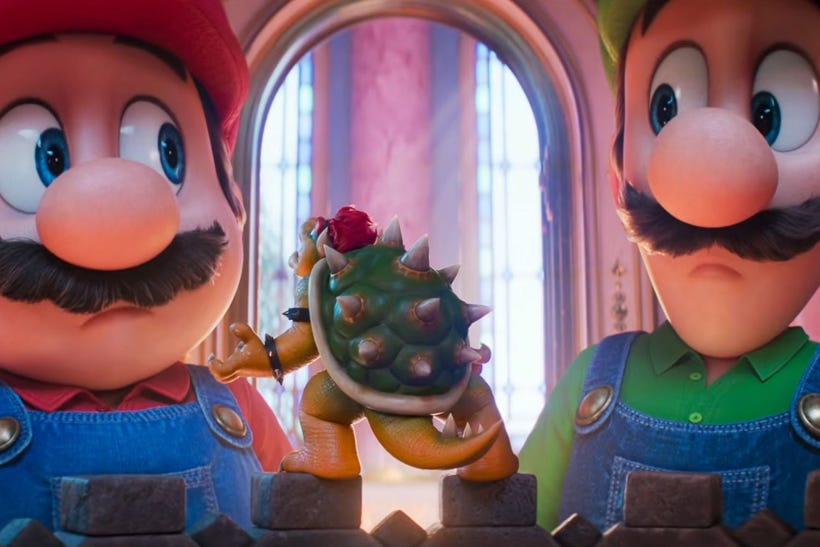
Patreon Bonus: The Future of Nintendo
Segment and links available at Patreon.com/PostGames
Act 3: News of the Week
A Eulogy for the Video Game Publishing Titans (2000-2026) (Post Games)
Ubisoft Shake-Up: Layoffs, Studio Closures Begin in Major Reorg; Six Games Canceled, Including ‘Prince of Persia’ Remake (Variety)
Interview: As Arc Raiders surges, Nexon CEO eyes the west (and is dreaming of gaming’s “third wave”) (Game File)
EA Announces Agreement to be Acquired by PIF, Silver Lake, and Affinity Partners for $55 Billion (EA)
Song of the Week: “Oubliette” from Ratcheteer DX
Music by Matthew Grim.
Oh I thought this was going to be about how people yell at nintendo for digital game cards even though every other console was already doing that. But no one is mad at playstation or Xbox about it