

Games Can Save Us from the Hell of Silicon Valley Optimization
Gamification culture was a mistake.

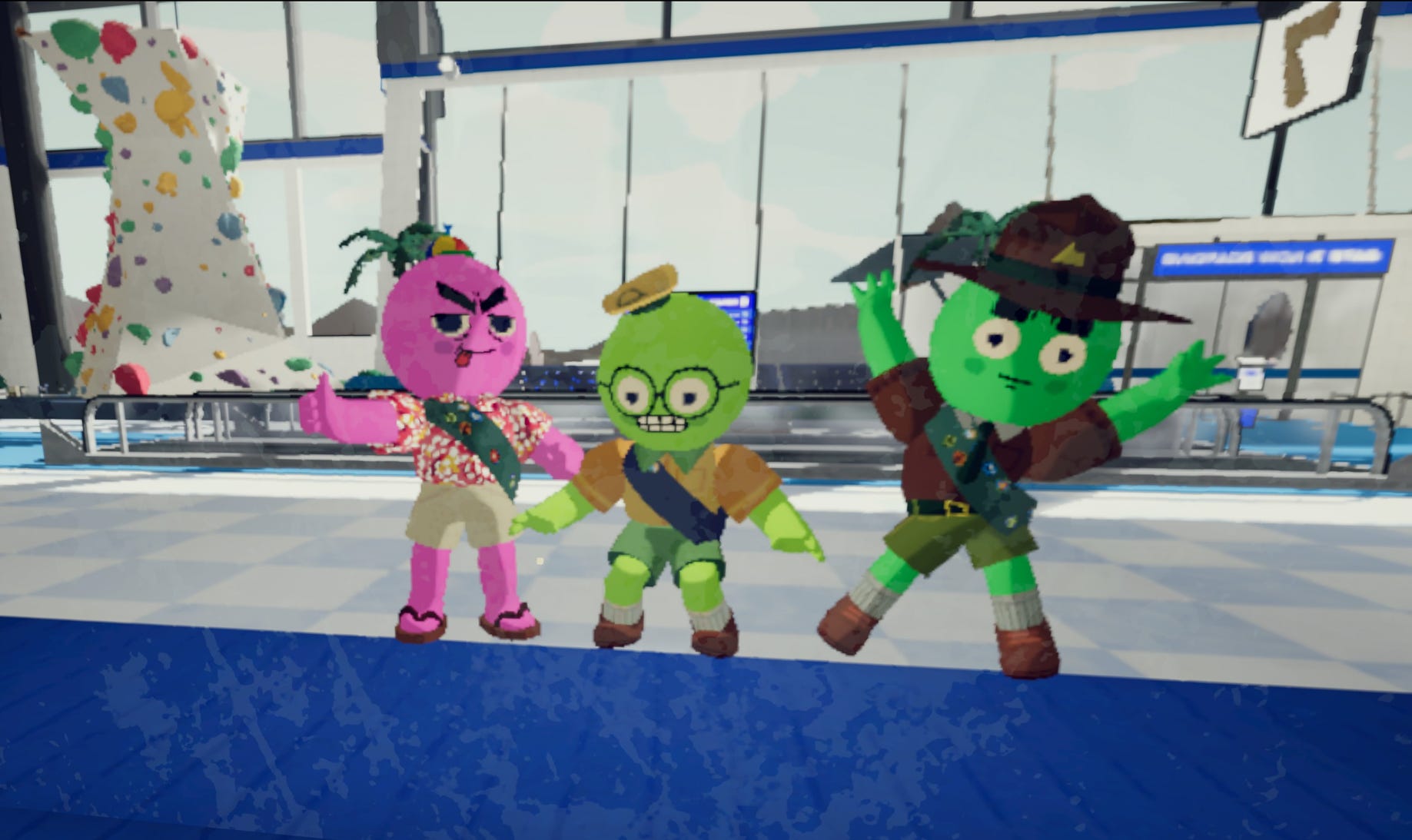
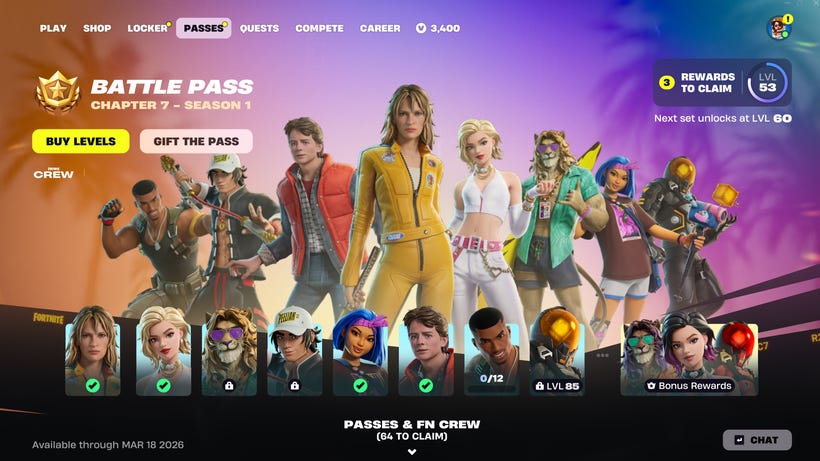
Throughout the 2010s, one buzzword connected video games conventions and C-suite retreats: gamification. We were bombarded with TED Talks and newspaper op-eds promising that games could unlock the potential of disinterested millennials by turning every mundane task into a game.
Apps began rewarding players with badges for tracking their exercise, learning languages, and even checking for breast cancer. Silicon Valley startups imagined office software that turned the daily grind into grinding for XP. Millions of young people voluntarily joined Foursquare, with which they would track their travels throughout each week, the app praising them for visiting 50 new venues or becoming the most frequent guest at a local cafe or bar.
It’s hard to imagine now, but for a moment, the promise of the future was all games, all the time. In 2011, the app was valued at $600 million – for context, Instagram would sell a year later for $1 billion in a mix of cash and stock.
You already know how this ends, because fifteen years have passed since that valuation, and you don’t use Foursquare. The fantasy of gamification has faded into our current, joyless reality of metrics culture.
To be fair to gamification, what executives found appealing about the novel engagement strategy was the data and analytics. The gamification framing was merely the latest method for harvesting information, a cultural obsession with flattening the complexity of life into numbers with which rigid, sweeping policy can be set.
This fixation with metrics has been undermining everything from the economy to education, health care to journalism for the past century.
And yet, here you are listening to a podcast about how and why we love games. Which raises a question: how can games, with their rules and scores, bring us such joy, freedom, and inspiration, when metrics, applied in our lives, can inspire cruel government policy, empower big companies to make sweeping cuts, and suck the joy from our very souls.
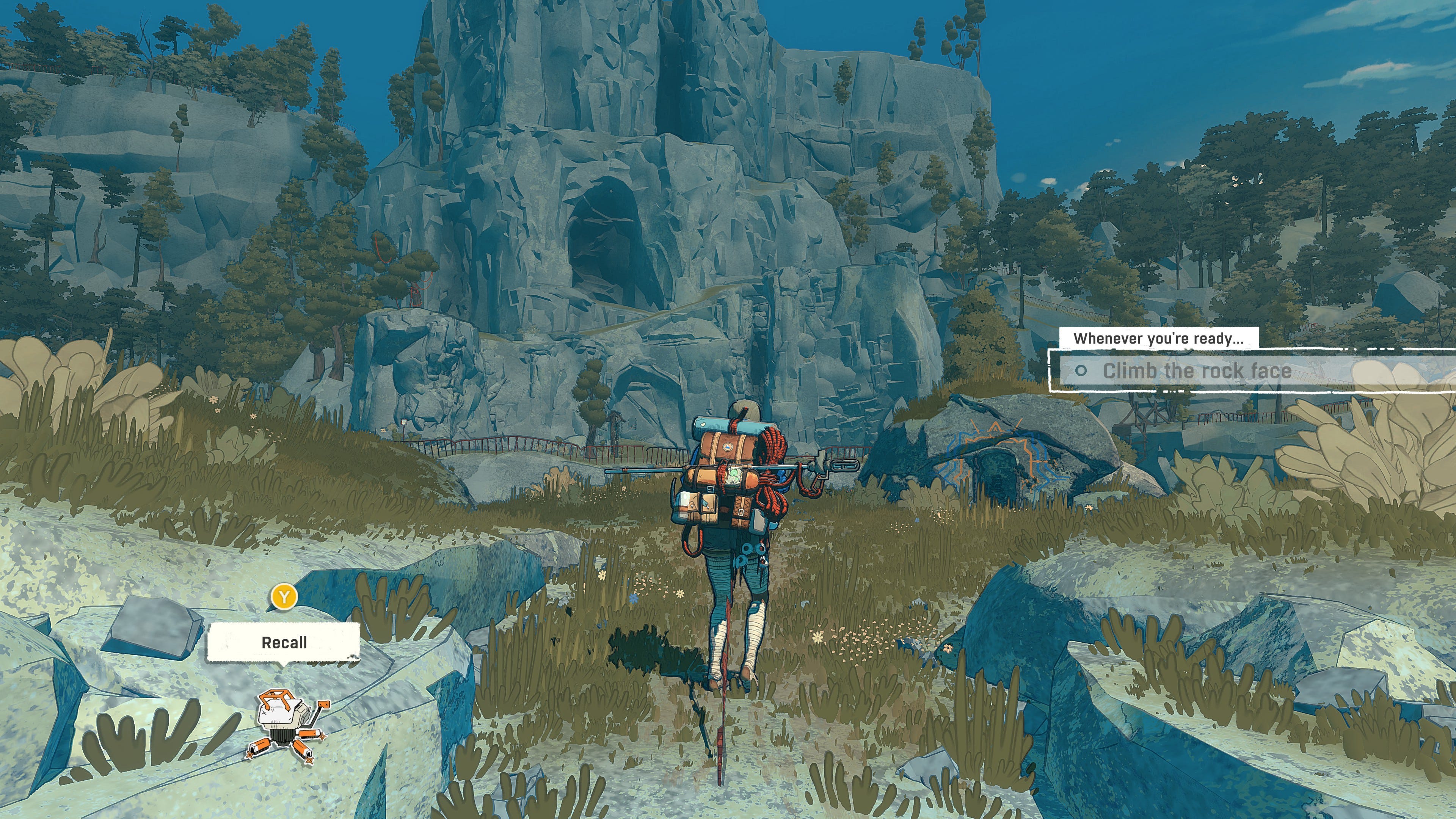
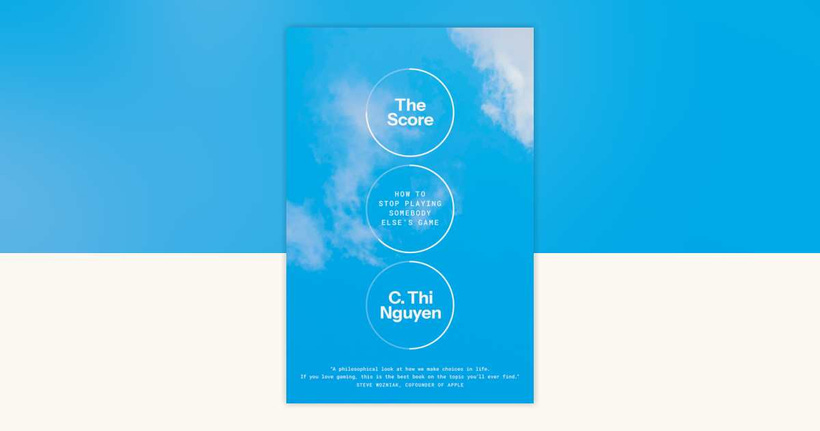
Today’s guest has the answer. C. Thi Nguyen is the author of The Score: How to Stop Playing Somebody Else’s Game. Nguyen, an academic and philosopher, had spotted a similar conflict in his own writing.
His first book, Games: Agency as Art, found aesthetic beauty in the design and engineering of games. And in The Score, he builds on that idea, showing the way games help us connect with our bodies, provide spaces to experiment with ideas, and offer playgrounds on which to express ourselves.
But when he thought of metrics, Nguyen saw similar rule and score-based systems muddying our understanding of the world around us, often motivating us to pursue goals that no longer aligned with our personal ambitions and beliefs.
As the title suggests, Nguyen doesn’t just spot the difference between games and metrics, but offers a healthy way in which the former can free us from the latter.
In hindsight, I see gamification as a well-intentioned but ultimately misguided philosophy that appealed to the system as it exists today. But as you’ll hear in this conversation, we can throw away the buzzword without tossing aside the medium as a whole. Games have the capacity to improve our lives, so long as the rules serve to help us — not exploit us.

This week on Post Games:
Act 1: Games Teach Us to Break Free from Life’s Grind
Act 2: Metrics Suck the Joy Out of Life
Patreon Bonus: Have Metrics Infected Video Games?
Act 3: The News of the Week
Guests:
C. Thi Nguyen: a philosopher, educator, and author. His latest book is The Score: How to Stop Playing Somebody Else’s Game
Gita Jackson: critic, editor, and co-founder of Aftermath
Closing Song: “Ocarina of Time” by Sixth Station Trio (Zelda Classics album)

On the Patreon for $5
New monthly bonus episode: The History of The Legend of Zelda!
Early access to ad-free episodes
Weekly bonus segments
An archive of over 50 Patreon-exclusive bonus segments and episodes, including…
Multiple histories of beloved video games and video game movies
Book club-style conversations with video game creators
A five-part series on the history, future, and behind-the-scenes details of games media, adapted from my course for NYU Game Center

Act 1: How Games Teach Us to Break Free from Life’s Grind
The Score: How to Stop Playing Somebody Else’s Game by C. Thi Nguyen (Penguin Random House)
Why Keeping Score Isn’t Fun Anymore (NYTimes)
Gamification (Wiki)
Foursquare (Wiki)
List of Foursquare Badges (Fandom)
2025 was the year friendslop reigned, and so many low-cost ways to have fun with your pals couldn’t have come at a better time (PCGamer)
The Five Obstructions (Kanopy)
Reiner Knizia Overview (BoardGameGeek)
Erotic art and pornographic pictures by Jerrold Levinson (PhilPapers)
Schopenhauer on aesthetics and the goal of art (Honeysucklewalks)
Collingwood’s Aesthetics (Stanford)
Performance indicator (Wiki)
Trust in Numbers: The Pursuit of Objectivity in Science and Public Life by Theodore Porter (Wiki)
Excerpts from Theodore M. Porter, Trust in Numbers (PDF)
Rules: A Short History of What We Live By by Lorraine Daston (Barnes & Noble)
House rule (Wiki)

Act 2: Metrics Suck the Joy Out of Life
Seeing Like a State: How Certain Schemes to Improve the Human Condition Have Failed by James C. Scott (Yale University Press)
Boys Just Wanna Looksmax (Slate)
Imperial (BoardGameGeek)
The Sims Social Review (Actionbutton.net via Archive.org)
Aristotle on the Meaning of Life (Psychology Today)
C. Thi Nguyen’s webpage (objectionable.net)
Patreon Bonus: Have Metrics Infected Video Games?
Links and segment available at Patreon.com/PostGames

Act 3: The News of the Week
I Cannot Stop Thinking About Marathon (Aftermath)
Bungie is laying off 220 employees and moving others to PlayStation (The Verge)
Former Marathon art director says ‘what I could control, I feel really good about’ in the face of pre-release animosity: ‘You can’t take that away from me’ (PCGamer)
‘The vibes have never been worse’ Bungie’s morale is reportedly in ‘free fall’ following its art theft fiasco (PCGamer)
With its fluorescent characters and ASCII text, Marathon is a masterclass in 90s nostalgia (The Guardian)
Marathon day one check-in: Thief impressions, broken Deluxe Edition bonuses, and so many Assassins (PCGamer)
As the Marathon player count discourse reaches peak stupidity, Warframe and Overwatch devs speak up in solidarity: ‘This is big unemployed, maidenless behavior’ (PCGamer)
Marathon’s First Big Update Is Basically Perfect (Kotaku)
This Week in Video Game Links
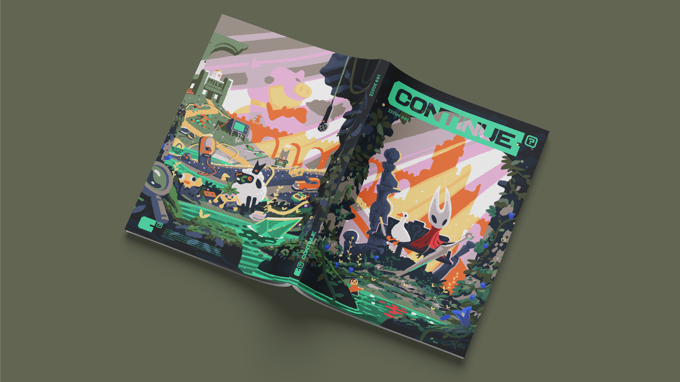
CONTINUE: A Defiant, New Videogames Magazine (Kickstarter)
Thanks for injecting me with 500 cursed Black Knight Ultra Greatswords (RPS)
After Thirty Years, I Finally Understand Pokémon (VGBees)
Happy Mario Day, The World Is Ending (At the Mountains of Sadness)
Resident Evil Requiem Confronts The Franchise’s Burdensome Past To Save Its Future (Kotaku)
Project Helix vs PS6 Will Be Interesting - But Arguably Misses The Point (Digital Foundry)
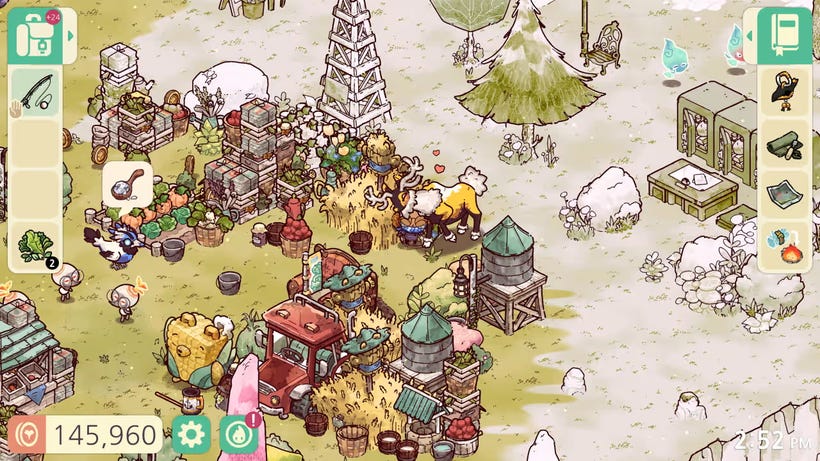
Free Game of the Week: Cozy Grove
“Welcome to Cozy Grove, a life-sim game about camping on a haunted, ever-changing island. As a Spirit Scout, you’ll wander the island’s forest each day, finding new hidden secrets and helping soothe the local ghosts.” (Available for free on Epic Games Store until March 19)

What Else I’m Enjoying
I’m this week’s guest on Get Played! (Get Played)
The Celebrity Crush (Just Atad)
The Atlanta Hawks’ Magic City Night Was Too Misunderstood To Live (Defector)
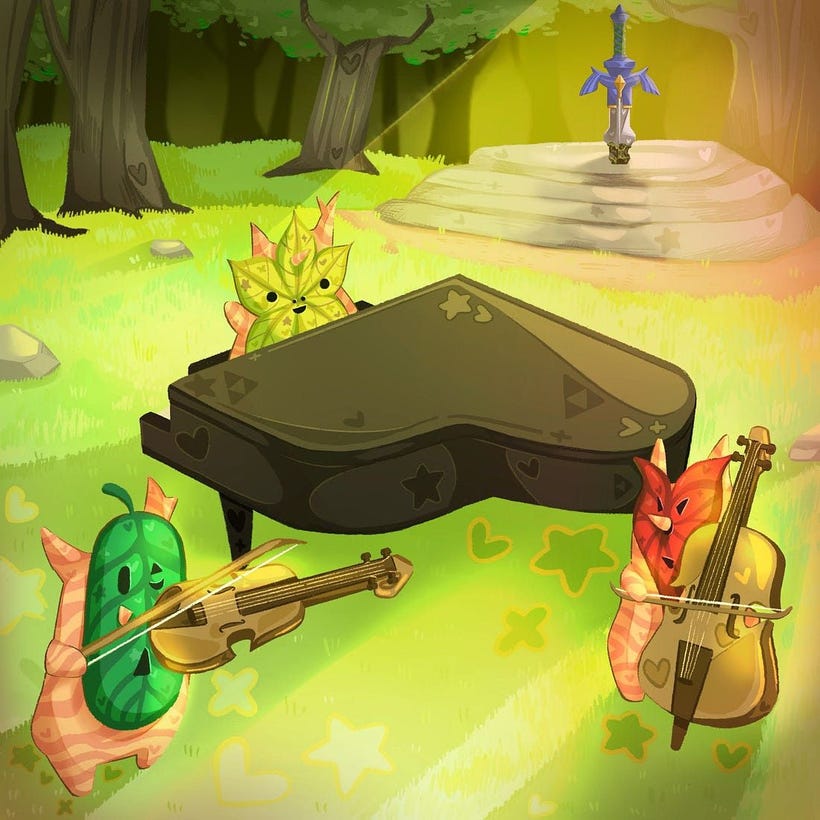
Song of the Week
“Ocarina of Time” by Sixth Station Trio (Zelda Classics album)